
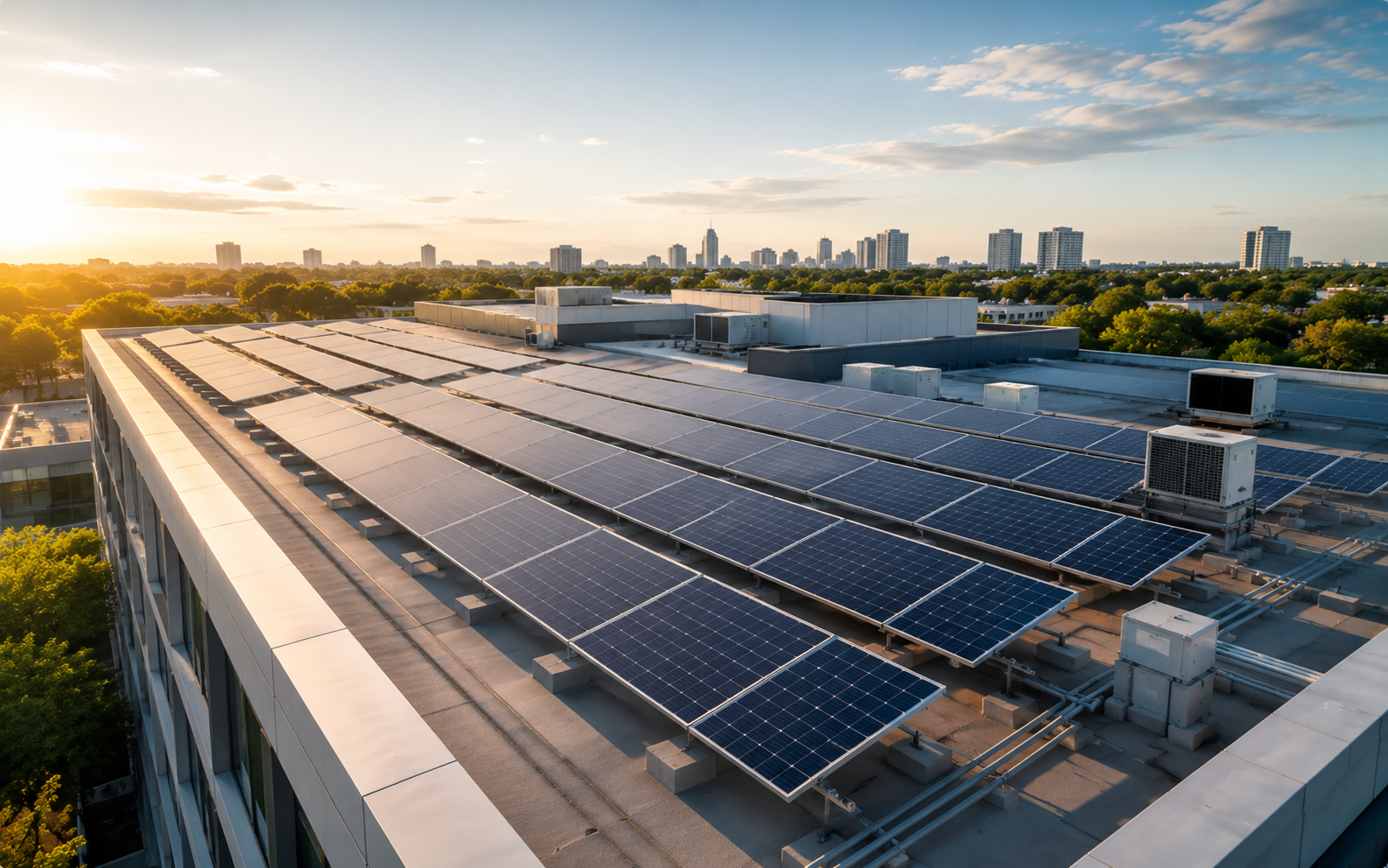
Since its national rollout, the PM Surya Ghar Muft Bijli Yojana has become the default starting point for any residential solar conversation in India — and for good reason. The scheme's direct-to-bank-account subsidy model, combined with simplified DISCOM approvals, has made rooftop solar accessible to a much wider set of households than ever before.
Current Subsidy Slabs
As of 2026, the central subsidy is tiered by system size, designed to reward right-sizing your system to your actual consumption rather than over-building:
- Up to 2 kW: ₹30,000 subsidy
- Above 2 kW and up to 3 kW: an additional ₹18,000, taking the total to ₹48,000
- Above 3 kW (capped at 10 kW for residential use): an additional ₹30,000, taking the total to ₹78,000 — the maximum available under the scheme
Systems larger than 3 kW do not receive additional subsidy beyond the ₹78,000 cap, but they remain fully eligible for net metering and continue to generate savings on the uncapped portion of the installation.
Who Is Eligible
Eligibility is intentionally broad: any residential electricity consumer with a valid connection and meter in their own name can apply, provided the installation is on a rooftop they own or have documented permission to modify. There is no income ceiling. Commercial and industrial connections are not eligible for this particular subsidy, though they benefit from accelerated depreciation and other incentives instead.
How to Apply — Step by Step
- Register on the National Portal: Applicants register using their electricity consumer number and DISCOM details on the PM Surya Ghar national portal.
- Feasibility approval: The DISCOM reviews and approves feasibility for your address, typically within a few working days in most Gujarat urban centres.
- Install with a registered vendor: Installation must be carried out by a vendor empanelled with your DISCOM — this is where working with an experienced installer like Vinara Solutions matters, since we handle vendor registration checks and documentation on your behalf.
- Net meter installation: Once your system passes inspection, the DISCOM installs a bi-directional net meter, which is what allows the subsidy disbursement to be triggered.
- Subsidy disbursement: The subsidy is credited directly to the applicant's bank account, generally within 30 days of net meter commissioning.
Common Reasons Applications Get Delayed
Most delays we see are avoidable: mismatched names between the electricity bill and bank account, incomplete structural documentation for older buildings, or choosing a system size that doesn't match the sanctioned load on the connection. A proper site survey before you apply catches nearly all of these issues upfront.
The Bottom Line
The subsidy math is straightforward, but the paperwork can trip up first-time applicants. Our team manages the entire PM Surya Ghar application on behalf of our customers — from portal registration through to subsidy disbursement — so the only thing you need to do is decide to go solar.